
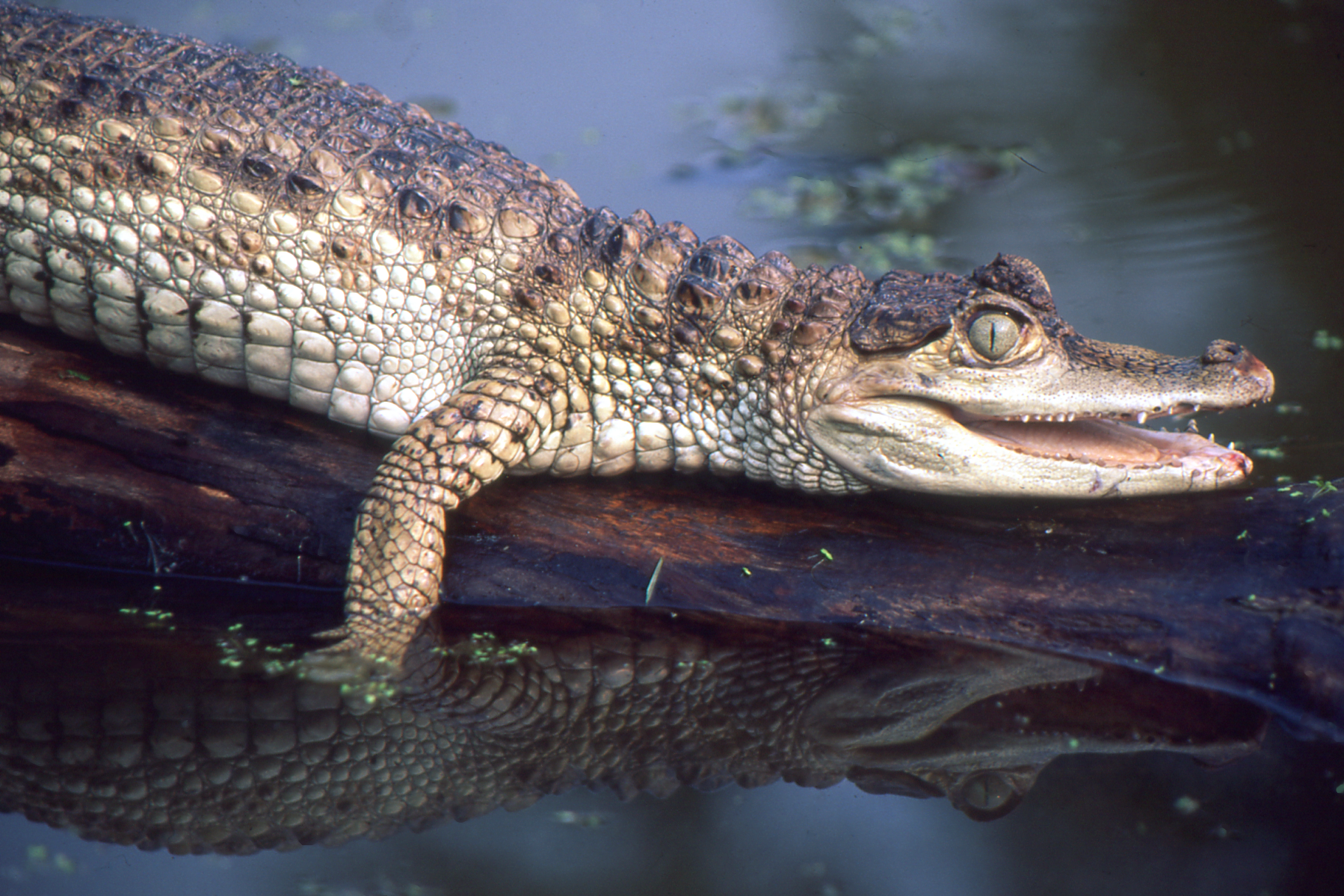
Crocodilians are some of the most aggressive and fiercest predators of the animal world. The young of all species can swim and catch food as soon as they hatch, but will continue to feed on the yolk sac in the egg for at least the first several days. As they grow, young eat insects, snails, and frogs. Hunting mainly at night, adults eat mostly fish, but they will also attack anything that wanders by too closely, including birds, snakes, turtles, raccoons, zebra, cattle and horses.


Crocodilians often sit quietly and wait for prey to come to them, although they can be active hunters. Three methods of capturing food include lunging for prey on land; leaping out of the water to surprise an animal then pulling it under the water to subdue it; and sweeping their open mouths from side to side underwater to catch fish. Crocodilians do not have the ability to chew, but will tear off pieces and swallow each chunk whole. Every part of the prey, including bones, is eaten.

Crocodilians begin mating activities when they are about eight years old. Females tend to be a little older, and males a little younger. Unlike many reptiles that provide no family care, female crocodilians make gentle, caring parents, protecting eggs and young, assisting at feeding times, and staying with them for their first few years. However, there are many predators on land and in the water, and even with adult supervision, only about 10% of babies will live past their first year.


Crocodilians inhabit warmer climates, and most live in freshwater habitats, although a few live in saltwater. They prefer shallow wetlands offering plenty of bottom rooted vegetation that attracts prey and keeps the hunter well hidden. Gentle banks allow them to easily crawl out on land for basking and to reach egg laying sites. Crocodilians save energy by moving around in water instead of overland because the water supports their heavy bodies.


Many animals provide vital services in their home habitats. Alligators dig large holes in limestone river beds, called gator holes. In hotter weather, as rivers dry up, these holes stay full of water, providing water and cool places for animals to hide from the heat of the day. Crocodilians are great scavengers. They keep their range clean by eating any dead animals.


Very few species threaten adult crocodilians, and one of their biggest threats are humans. They are hunted for their skins for clothing and jewelry, and various body parts used for medicinal purposes. Bones are ground into fertilizer and animal feed. Meat and eggs are used for food. Sex organs, musk and urine are all used in the perfume industry.
Habitat preservation and education about their importance is needed. Efforts to halt illegal poaching and smuggling and enhance captive breeding and wild release are being stepped up to conserve these species. Several farms have been started to prevent the need for crocodilians to be taken from the wild, and to generate income, via tourism, for local economies. You can visit your local natural history museum or zoo to learn more about these amazing animals.
Discover more from Discover-Nature
Subscribe to get the latest posts sent to your email.
