

There are between 20 and 30 recognized species of living crocodilians, who, along with birds, are the only two surviving groups of Archosauria, a group that has existed for 250 million years and includes the now extinct dinosaurs. Key characteristics of crocodilians include an elongated, structurally reinforced skull, powerful jaw muscles, young born from eggs, and parents providing extensive care to young.
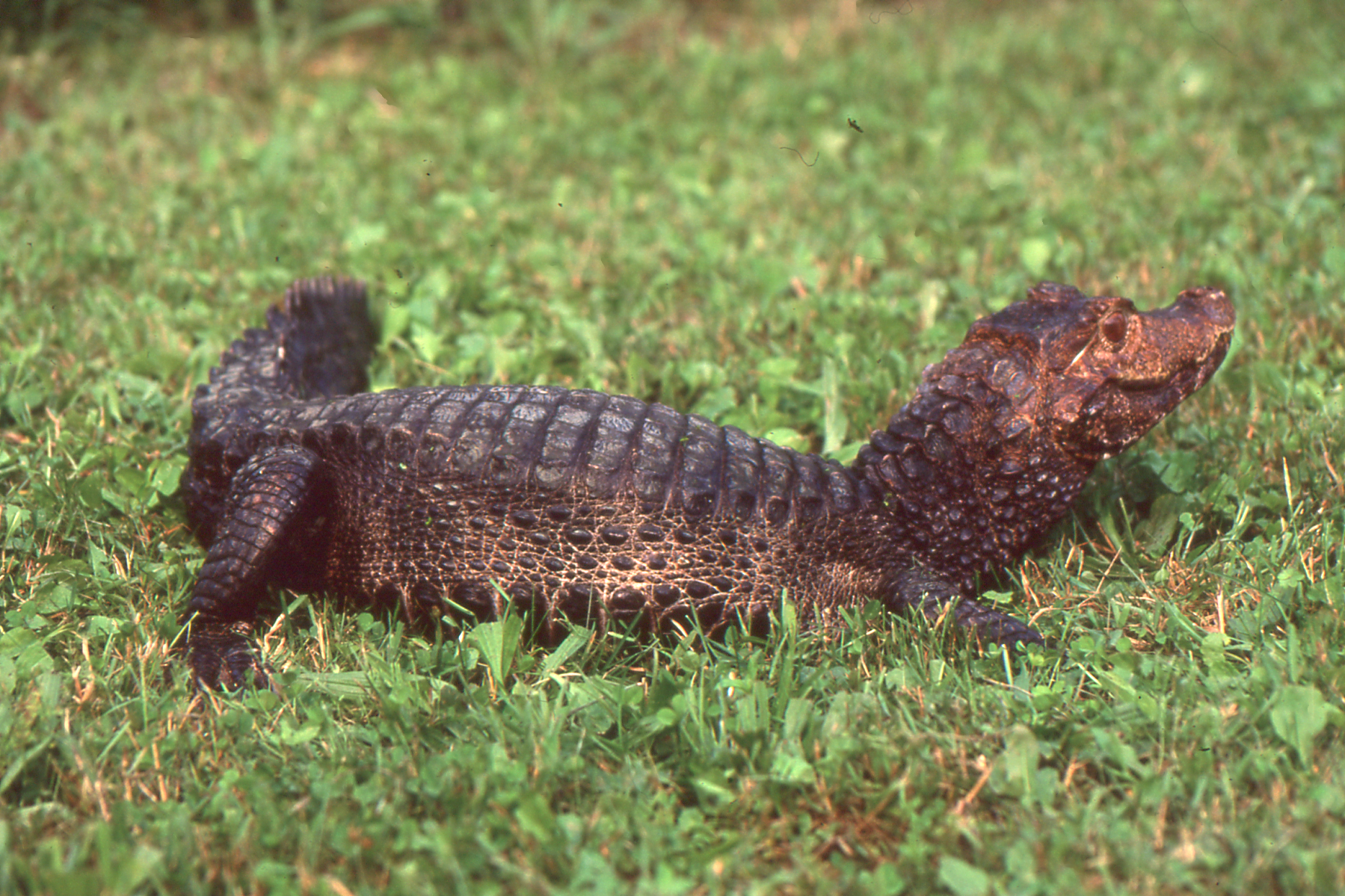

Crocodilians vary greatly in size. Cuvier’s Dwarf Caiman, living in northern South America, is one of the smallest species averaging four feet long and weighing 13 to 15 pounds. The saltwater crocodile, living in brackish and saltwater habitats from southern India to northern Australia, may grow to 20 feet or more, and tip the scales at close to 3,000 pounds. For those of us in the United States, the two commonly found species include the American alligator, living along the southeastern coastal states and averaging 12 to 16 feet and 1,000 to 1,300 pounds, and the American crocodile, found only on the southern tip of Florida, growing up to 20 feet and 2,000 pounds.

Bone structure, like the rest of the body, make crocodilians well-adapted to living in the water. A strong, flexible spine starts at the base of the neck and runs to the end of the tail. Tails are used to propel them through the water, and they are able to tuck their feet close to their sides, using them as rudders. Crocodilians may look ungainly on land, but can get around easily. Using the high walk, the animals can lift their entire torso off the ground to walk on all four legs. Some species can also gallop on all fours at speeds up to 11 mph for short distances. In muddy areas and when close to water, they slide on their belly, pushing off with their legs, able to quickly move into the water.
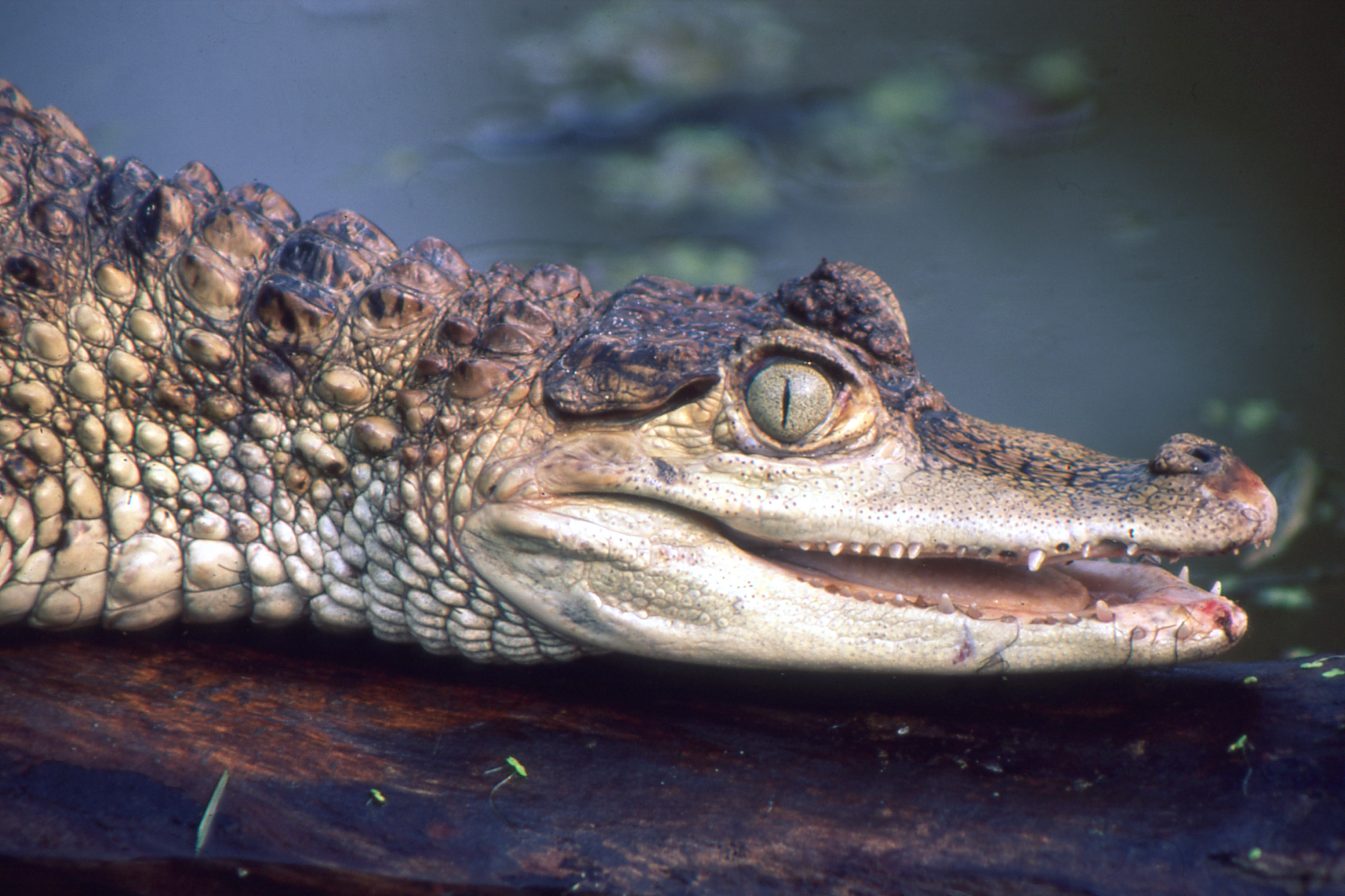
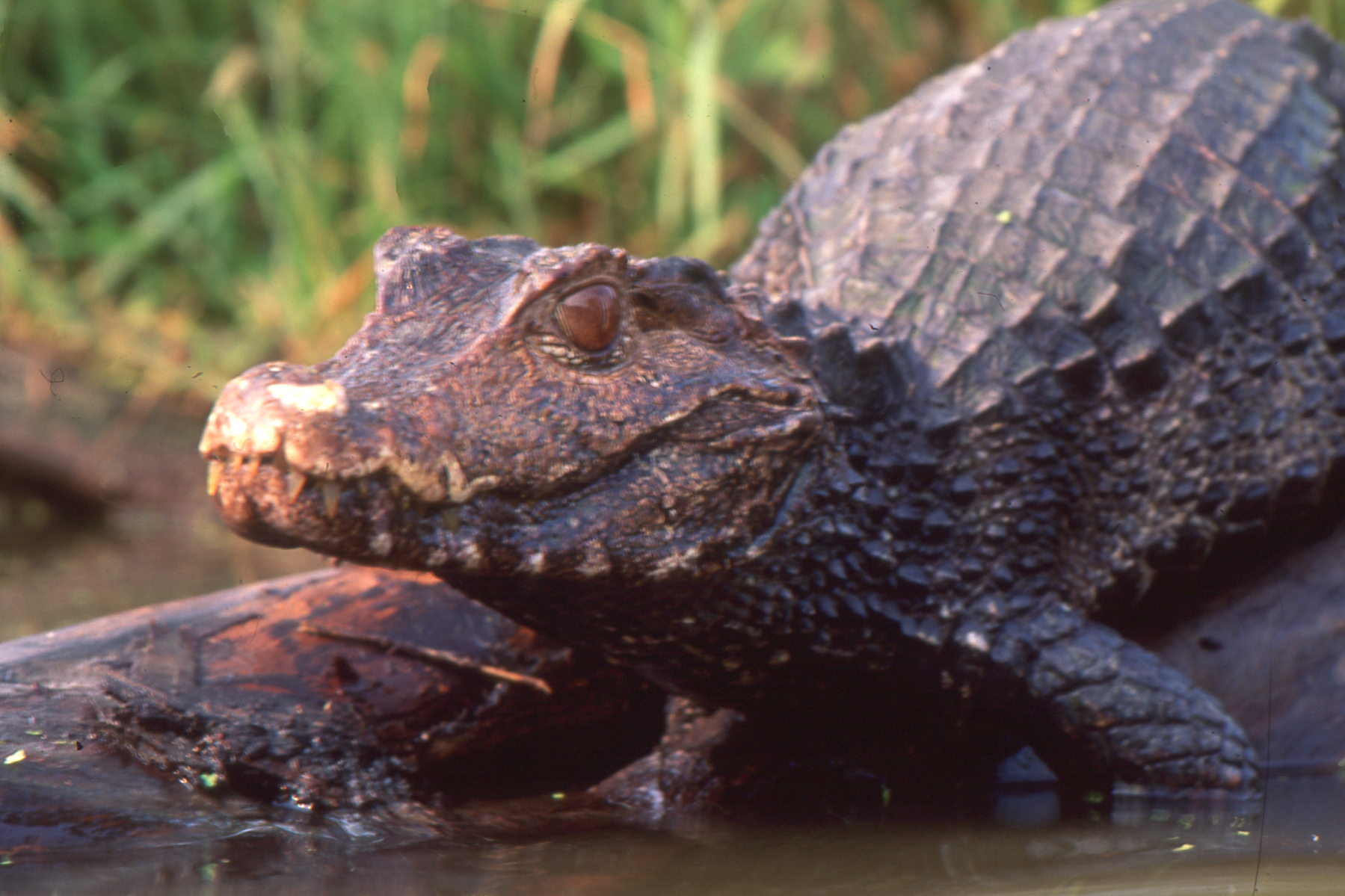

Crocodilian snout shape, size, and dentition is influenced by their prey and how it is caught. Gharials and crocodiles have long, slim snouts for sweeping through the water catching fish. Alligators and caiman have shorter, broader snouts with powerful jaw muscles to overpower birds, mammals, and other prey, some even larger than themselves. The bite force in crocodilians is the strongest of any living animal.
Bone and muscle structure have changed very little over the last several million years. Space for the jaw muscles inside the skull is very large. Strong muscles are designed to clamp the jaws shut, allowing the quick capture and killing of prey.
Depending on the species, crocodilians have between 60 and 110 teeth. Teeth grow constantly and are replaced individually about every two years. Worn teeth simply fall out as a new one grows in immediately. Each animal can grow up to fifty sets of teeth in its lifetime.

Front teeth are sharp for piercing and holding prey. Molars towards the rear of the mouth are used for crushing prey. Crocodilian jaws cannot move from side to side, a requirement for chewing, so prey is swallowed whole or in large chunks.


One way to distinguish crocodiles from alligators is to look at their jaws when closed. The fourth tooth on a crocodile is outside the jaw, fitting into a pocket on the upper lip. Alligators and caiman exhibit no teeth when the jaw is closed.
Next week, we’ll wrap up with food, family, and conservation.
Discover more from Discover-Nature
Subscribe to get the latest posts sent to your email.
