

Days are getting shorter and temperatures are starting to cool. We are well into autumn, and it is time for animals to prepare for winter when it will become difficult for them to keep warm and find food. There are several approaches to living through winter: growing thicker fur coats, travelling south to follow the quickly retreating warmer temperatures, and sleeping in until warmer, sunlit mornings prevail. Animals that “sleep-in” are actually going through a period of dormancy. It can last from a few weeks to several months, but there are some general conditions that must be met. Almost all species will need a home that consistently stays above freezing, and each animal must have enough energy to last through the dormancy period. There are four categories of dormancy including hibernation, torpor, brumation, and diapause. Let’s take a look at these methods and some species that use each.
Hibernation is a process that involves a significantly lower body temperature, and decreased heart, respiration, and metabolic rates. Species that are true hibernators can live for long periods of time with very low energy use. Woodchucks, also known as groundhogs, hibernate up to five months each year in the northern areas of the eastern U.S. They have a normal heartbeat of 80 beats per minute which is reduced to about 5 beats per minute; their normal body temperature is reduced from 98°F to 38°F; and their breathing rate goes from 16 times per minute to twice a minute. The woodchuck also exhibits reductions in other growth areas including teeth, which normally grow 1/16″ weekly and are kept under control by the grinding action when they eat.
Species are either obligate or facultative hibernators depending on when they enter a period of dormancy. Obligate hibernators use seasonal cues. When days start to shorten, indicating a change in season, these species will enter hibernation regardless of outside temperatures or amount of available food. Facultative hibernators use environmental cues. When it becomes too cold or food starts to become scarce, these species will enter hibernation to conserve on their energy use. All species that spend time in hibernation eat larger amounts of food in autumn to build up brown fat. These fat reserves provide the quick energy needed for activities upon awakening.

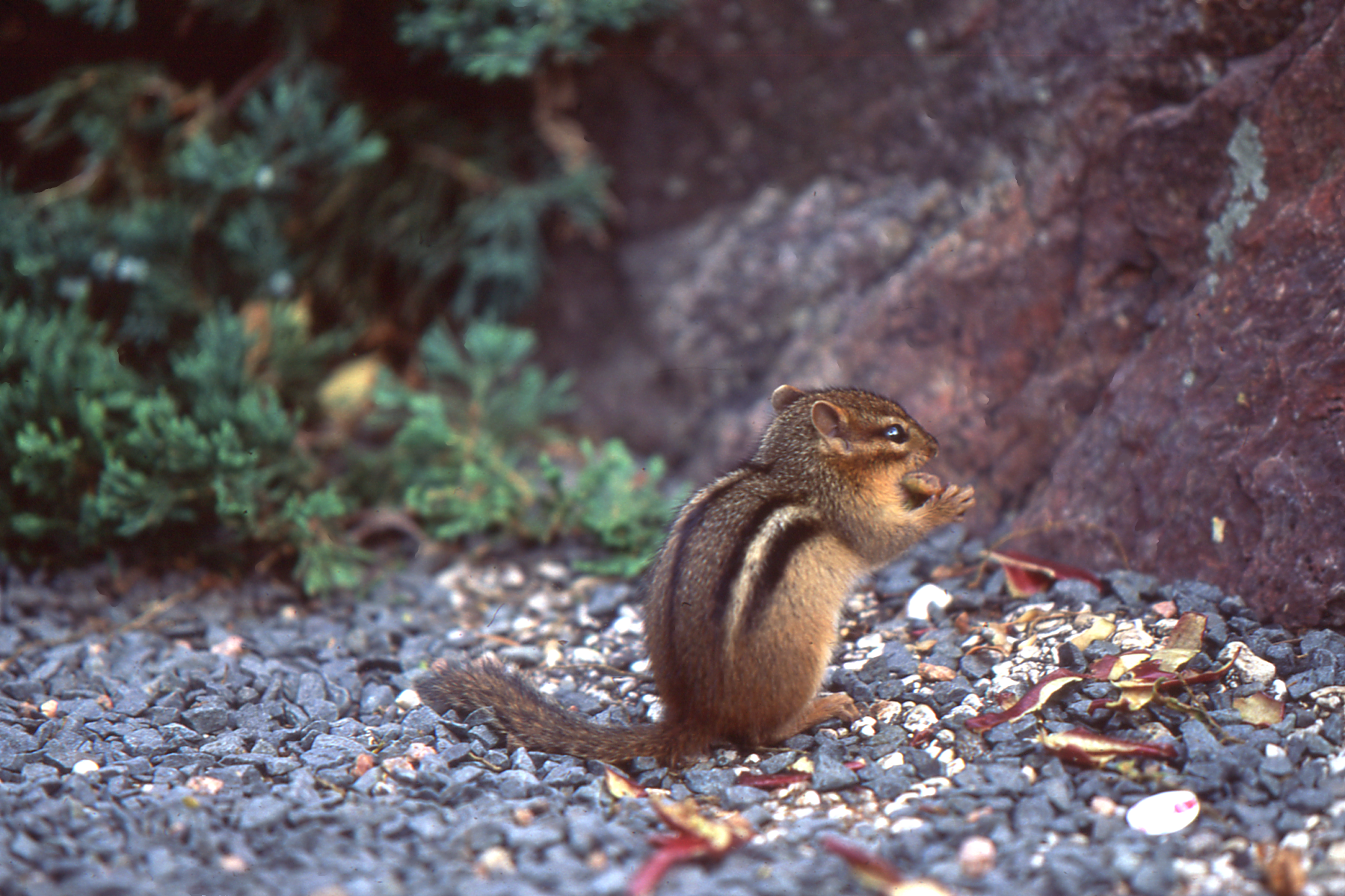
Species in hibernation may waken occasionally. Animals have been observed waking to use a toilet area and/or to nibble on cached food supplies. Chipmunks can be observed with fat cheeks in autumn, busily creating food caches located in burrows found under the frost line in the same area where their summer nest is located. Although this reason for waking is not well understood, one theory is that waking may stimulate energy use followed by the ability to sustain a longer sleep period. Another theory postulates that periodic eating of small amounts of food sustains the immune response system.

Torpor is a similar process that involves the same physical modifications as hibernation, but in smaller quantities. Body temperatures and heart rates will be lower by ten to fifteen percent, and animals using this strategy will wake more often, engaging in activities several times throughout the cold period. Skunks enter their dens as daytime temperatures sink below freezing, and their heart and respiration rates slow. Their sleep may last from a few days to a few weeks. They will leave the den to forage for food in between these naps. Many birds enter torpor on a daily basis, at night or on very cold days. Their decreased physiological activity allows them to conserve body fat overnight so it is available for quick energy production the following morning to continue daily foraging activities. On cold nights, black-capped chickadees can maintain body temperatures twelve degrees lower than normal. This allows the body to use 30% less stored fat.

Brumation is the term used for torpor in ectotherms. Ectotherms obtain their body heat from the environment and include reptiles, amphibians and fish. Most of these species must live where the temperatures always stay above freezing. Many frogs and turtles bury themselves in mud at the bottoms of ponds, or dig holes deep into the ground, well below the frostline. Their breathing and heart rate slow and they can get oxygen from air trapped in the cavity or surrounding mud. Snakes will often den together in groups of a dozen to several hundred individuals in a den below the frostline. The wood frog is an exception because it can tolerate freezing temperatures. A chemical contained in each cell in its body acts as antifreeze to protect the cell from damage that could be incurred if solid ice should form inside the body. Thirty five to forty five percent of the body may freeze, stopping the heart and respiration, but it will thaw with warming temperatures. The wood frog may freeze and thaw several times in one season. All ectotherms may wake on warmer days in mid-winter and leave their dens to find water and nutrients.

In late autumn, before temperatures turn cold, some insect species enter diapause, a period of suspended development. Some spend winter here in underground burrows, under bark or leaf litter, or in holes drilled into woody plants. Many have the same cellular chemistry as wood frogs, with each cell having a chemical antifreeze to prevent damage from ice formation. For bumblebees and yellow jacket wasps, only the new queens survive, spending the winter in an underground burrow until spring. Bees spend the longest time in any form of hibernation, often five to six months underground.

Strategies to survive cold periods are important as parts of the normal annual cycle. Zoos attempt to provide habitat that can accommodate these needs. Cold-adapted animals in northern climates remain outdoors for winter as part of a healthy life cycle. The risks involved with cold periods include the need to meet nutrient demands by storing fat or food caches, having energy in reserve to forage when warm weather arrives, and having enough water to hydrate throughout the cold period. Climate change and warm days in the middle of winter are another threat that is not easily quantifiable. Animals may wake and start to move about during warming episodes, but may not find any food available, wasting energy and water.
We can help by following some simple guidelines: leave animals and habitats undisturbed during cold months; offer food sources for animals during warmer periods (i.e. extra seed if temperatures get above freezing); learn more about the habitats in your neighborhood to protect them from disturbance and fragmentation and learn more about climate change and the negative effects caused by it. Here are a few books you may find interesting: “Animals That Hibernate”, a children’s pictorial by Larry Dane Brimner; “Do Not Disturb”, a children’s reader by Margery Facklam; “Winter World” by Heinrich Bernd.
Discover more from Discover-Nature
Subscribe to get the latest posts sent to your email.
