
There are numerous species of birds that spend the winter in Illinois, but two that are infrequent visitors to northeastern Illinois can be easily seen in other areas of the state during this season. The Bald Eagle, Haliaeetus leucocephalus and the Golden Eagle, Aquila chrysaetos. They are both members of the family Accipitridae, which includes birds of prey that have broad wings and short tails which produce a distinctive flight pattern consisting of several short wing strokes followed by a long glide. Members of this genus are all predators and use their talons to kill by repeatedly puncturing their prey. They are able to stretch their long legs to keep the prey away from their head and eyes for safety. All members of this family have fearsome-looking, large, curved, sharply pointed beaks which are used strictly for plucking and tearing the food into bite-sized chunks.
Eagles form long-term pair bonds and both contribute to building their nests, constructed from twigs and vegetation, which are located in tree tops or on cliff ledges. Softer, finer vegetation is used to line the nests so eggs do not drop through the twig cavities, and the vegetation provides insulation to keep the nest dry and warm. Starting at about five feet in diameter, nests are reused over many years and may grow to nine feet or more and weigh several hundred pounds. Eagles typically have more than one nest in an area and may move to another site if they feel threatened or they may use other nests for resting closer to hunting areas. Eagles that migrate into the southern United States start nest construction and cleanup as early as November. In Illinois, nest construction takes place in January and February.
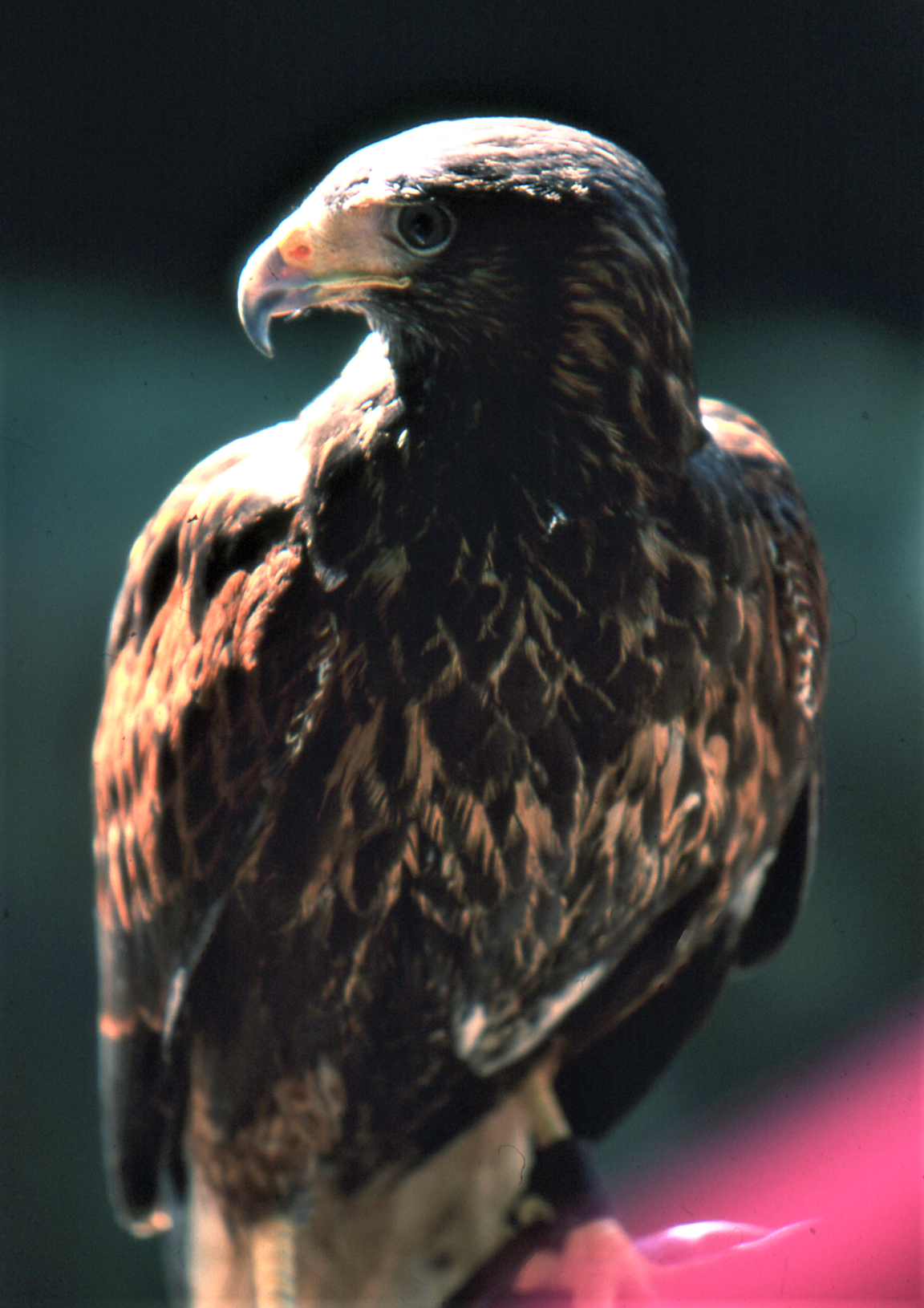
Golden Eagles are the only member found in Illinois of the group known as “true eagles”. They are closely related to buteos, a genus of broad-winged, soaring hawks. Their main habitat includes mountains and rugged terrain where temperature and wind conditions are conducive to creating numerous updrafts. They have a light brown head with a dark brown body, brown wings, and a tail of light grey-brown with a dark brown band across the end. Juveniles may have white spots under the wings in flight, making it easy to misidentify them as Bald Eagles. Golden Eagles hunt from the air for small mammals and flying birds. They are mostly migratory visitors to Illinois, but a small population can be found in winter in the far southern part of the state.
Bald Eagles are members of the group called “fish eagles,” closely related to sea-eagles on other continents, but not at all closely related to Golden Eagles. Adults have a dark brown body with a bright white head and tail, yellow feet and beak, and pale yellow eyes. Juveniles have a dark head with mottled brown and white bellies and do not sport the distinctive white head until they are at least three years old. A mature adult stands about three feet tall with a wingspan of 80″-90″. This species is found only in North America with a population of about 70,000 birds of whom half live in Alaska. Bald Eagles are always found near large bodies of water that support the abundant fish and waterfowl they feed on.
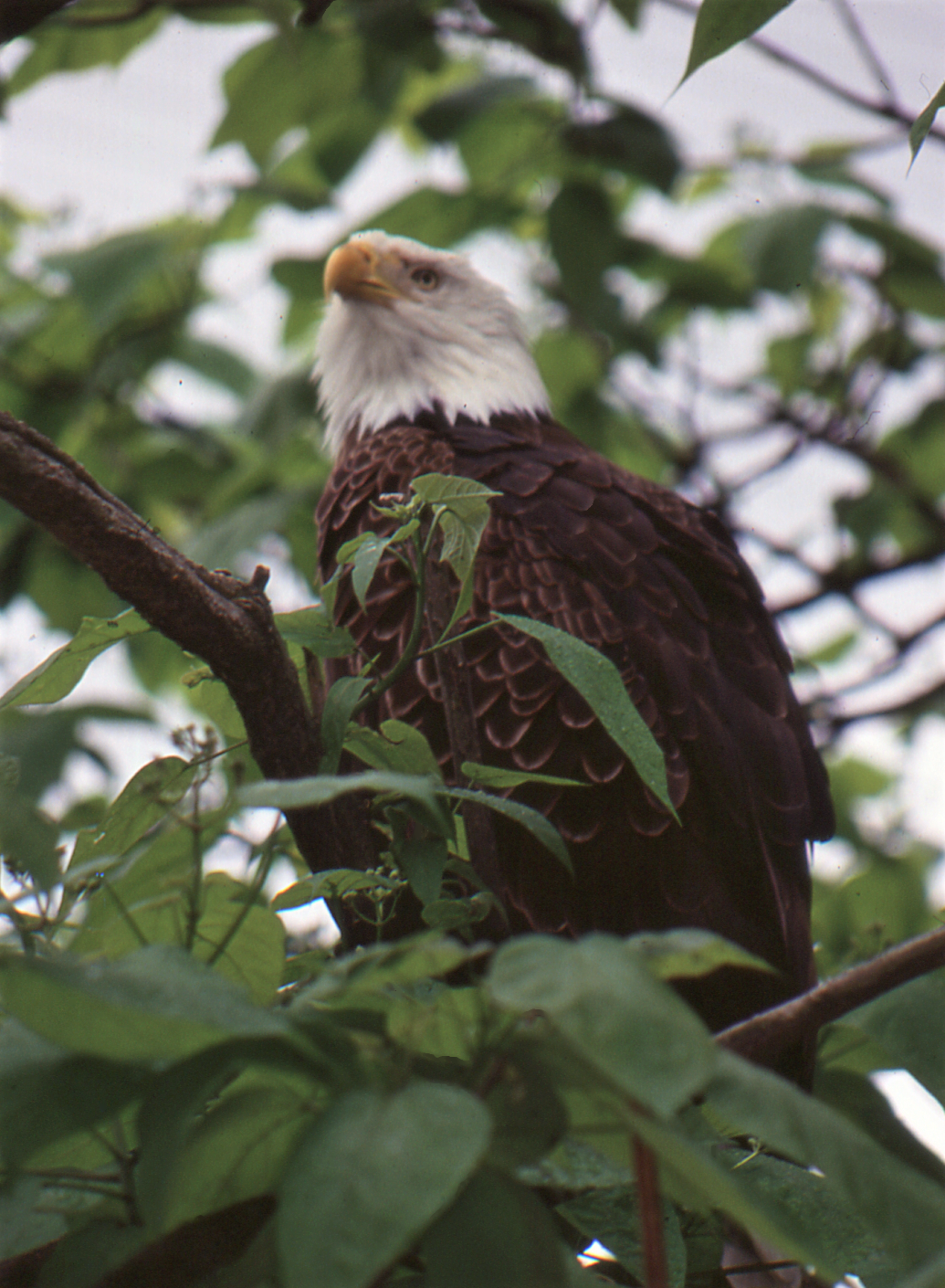
As rivers, streams and lakes in Canada and parts of the northern United States freeze and open water becomes scarce, Bald Eagles move southward looking for open water to support fishing. The Illinois Department of Natural Resources estimates that there are about 3,100 eagles that reside in Illinois in winter, the largest group in the lower 48 states. They will remain in the area throughout January and February before migrating north as more northerly bodies of water begin to open during the spring thaw.
Thousands of people enjoy eagle watching during the winter months. The fourth Saturday in January is Illinois Eagle Day, a celebration of the Bald Eagle across the state. According to the DuPage Forest Preserve District, there have been several sightings in area forest preserves that have large water reservoirs including McDowell Grove, West Branch, Hidden Lake and Blackwell preserves. There are also several places along the Illinois/Iowa shores of the upper Mississippi River with great viewing opportunities. A list of many sites and celebration activities can be found at https://www2.illinois.gov/sites/eagles/Pages/EagleWatching.aspx.
Please be aware that we can easily disturb the birds by getting too close. Stress and our presence can change the behavior of the birds, possibly putting them in danger, especially during nesting periods. The U.S. Fish and Wildlife Service suggests maintaining a distance of about 330 feet for the birds’ comfort. I have been to several areas along major rivers. Viewing from a safe distance is exciting when you can see all of the activity including where the birds are sitting among ledges, flying out over the fishing areas, swooping low to pick up a large fish and flying back to a ledge or tall tree to eat. Consider bringing binoculars, a spotting scope, or a camera to make it a fun day.
Discover more from Discover-Nature
Subscribe to get the latest posts sent to your email.
